Inventory Systems For Businesses That Save Your Sanity
Imagine a world where your business runs like a well-oiled machine, with inventory management that feels effortless and intuitive. Welcome to the realm of inventory systems—a pivotal aspect for any business aiming to maintain order and efficiency. With robust inventory systems, businesses not only manage stock effectively but also elevate their performance to new heights.
In the bustling marketplace, the unsung hero often lies in the backroom, quietly revolutionizing operations: the inventory system. Designed to alleviate the chaos of manual tracking, these systems help businesses streamline operations, minimize errors, and make informed decisions that lead to growth. Dive into this guide to discover how adopting an inventory system can be your business’s turning point, saving your sanity while boosting productivity.
Introduction to Inventory Systems
In the bustling world of business, keeping track of stock can make or break your success. Inventory systems are the unsung heroes that bring structure to the chaos of running a business, ensuring you know exactly what you have and need, when you need it.
These systems are essential for maintaining harmony in operations, preventing overstocking or stockouts, and making informed decisions that directly impact your bottom line. By automating and streamlining the inventory process, businesses can save time, reduce errors, and ultimately enhance customer satisfaction.
How Inventory Systems Enhance Business Efficiency
Inventory systems are the backbone of efficient business operations. They automate tracking, providing real-time data on stock levels, sales trends, and reorder points. This allows businesses to plan better, reduce waste, and improve cash flow. Consider a retail giant like Walmart, which utilizes an advanced inventory system to manage its enormous product range. Such systems help the company to minimize inventory holding costs and ensure products are available when customers need them.
Key Benefits for Varied Business Types
Different types of businesses derive unique benefits from inventory systems:
- Retail Stores: Improve sales forecasting and reduce stockouts.
- Manufacturing: Optimize production schedules through accurate component tracking.
- eCommerce: Seamlessly integrate with online sales platforms for real-time inventory updates.
| Business Type | Benefit |
|---|---|
| Retail | Improved customer satisfaction through product availability |
| Manufacturing | Reduced production delays and costs |
| eCommerce | Enhanced order fulfillment accuracy |
“Inventory systems are the neural network of any successful business; they provide the data-driven insights needed to thrive in competitive markets.”
Types of Inventory Systems
Diving into the world of inventory systems can seem overwhelming, but understanding the distinct types can make all the difference in optimizing your business operations. Let’s explore the various inventory systems that can enhance your efficiency and maintain your sanity.
Inventory systems are designed to streamline your stock management processes. From traditional methods to modern technological systems, each has unique characteristics that serve different business needs.
Periodic Inventory System: The Time-Tested Approach
The Periodic Inventory System is a classic approach where inventory is checked at specific intervals. While it’s simple and cost-effective, it often lacks real-time tracking, potentially leading to inaccuracies.
- Involves manual counting at regular intervals.
- Cost-effective due to lower technology requirements.
- Potential inaccuracies during high-transaction periods.
Perpetual Inventory System: Real-Time Precision
Embrace the precision of technology with the Perpetual Inventory System, which offers real-time tracking of inventory levels. This system requires a larger initial investment but provides up-to-the-minute accuracy.
- Automated updates with every transaction.
- Provides detailed and continuous inventory insights.
- Higher setup and maintenance costs due to technology dependence.
Just-In-Time (JIT) Inventory: Efficiency Meets Demand
The Just-In-Time Inventory System reduces waste and increases efficiency by producing or acquiring inventory only as needed. While it minimizes holding costs, it requires precise demand forecasting to avoid shortages.
- Minimizes inventory holding costs.
- Requires accurate demand forecasting.
- Risks of stockouts if supply chain disruptions occur.
Comparative Analysis of Inventory Systems
When choosing an inventory system, understanding the features and capabilities of each option is crucial. Below is a comparison to guide your decision-making:
| Inventory System | Real-Time Tracking | Cost | Scalability | Risk of Stockouts |
|---|---|---|---|---|
| Periodic Inventory | No | Low | Limited | High |
| Perpetual Inventory | Yes | High | High | Low |
| Just-In-Time | Yes (with tech integration) | Variable | Medium | Medium |
Choosing the right inventory system is a strategic decision that can have far-reaching impacts on your business efficiency and customer satisfaction.
Key Features of Effective Inventory Systems
In the modern business landscape, the effectiveness of your inventory system can make or break your operations. By integrating key features into your inventory management, you not only streamline processes but also significantly cut down on manual errors.
These systems have evolved beyond mere stock management, providing businesses the ability to save time and resources, thus maintaining sanity in fast-paced environments.
Automation: The Heartbeat of Modern Inventory Systems
Automation is a game-changer in inventory management. It facilitates real-time tracking of stock levels, orders, sales, and deliveries, minimizing human intervention and the potential for error. By automating repetitive tasks, businesses can allocate more time to strategic activities, fostering growth and innovation.
Furthermore, automated systems enhance accuracy in order fulfillment, ensuring that customers receive the right products promptly, which can significantly boost customer satisfaction and loyalty.
Integrated Inventory Management
Effective inventory systems do not operate in isolation. They are integrated with other critical business systems such as sales, accounting, and CRM software. This integration provides a holistic view of business operations, enabling more informed decision-making.
- Seamless data flow between systems
- Elimination of data silos
- Improved cross-departmental collaboration
Advanced Analytics and Reporting
Data is the new oil, and advanced inventory systems harness this through comprehensive analytics and reporting. They provide valuable insights into inventory turnover rates, demand forecasts, and supply chain efficiency.
With these insights, businesses can optimize inventory levels, reduce holding costs, and avoid stockouts or overstock situations.
User-Friendly Interface
A complex system can lead to user errors, defeating the purpose of an inventory management system. Effective inventory systems boast a user-friendly interface that simplifies navigation and operation.
Training time is reduced, and employees can quickly adapt, ensuring a smooth transition and sustained efficiency.
“Effective inventory systems are not a luxury; they are a necessity for survival in competitive markets.”
Implementing Inventory Systems
In today’s fast-paced business world, implementing an effective inventory system can be the difference between chaos and control. Transitioning to a new system requires careful planning and execution, but fear not, we’ve got you covered.
Embarking on this journey involves a series of strategic steps designed to ensure your business not only survives the transition but thrives during and after the process. Let’s dive into making your inventory system implementation as smooth as possible.
Step-by-Step Guide to Implementation
Implementing an inventory system is like orchestrating a symphony; each section must play its part to create harmony. Here’s how you can orchestrate a successful implementation:
- Define Your Objectives: Set clear goals for what you want to achieve with the new system. Whether it’s reducing waste, improving accuracy, or enhancing customer satisfaction, clarity here is crucial.
- Assess Current Processes: Conduct a thorough review of your existing inventory processes to identify areas of improvement and integration points for the new system.
- Select the Right System: Evaluate different systems on the market and choose one that aligns with your business needs and budget.
- Data Preparation and Migration: Prepare your current inventory data for migration. Clean, update, and organize data to ensure a smooth transition.
- Training and Support: Train your team on the new system to ensure everyone is confident and capable of using it effectively.
- Go Live and Monitor: Launch your system with close monitoring to address any issues swiftly. Gather feedback and be ready to make adjustments as needed.
Overcoming Common Challenges
Implementation is rarely without hurdles. However, forewarned is forearmed; here are common challenges and how to tackle them:
- Resistance to Change: Employees may resist new systems. Combat this with effective communication and demonstrating the benefits of the new system.
- Data Migration Issues: Poor data quality can hinder migration. Ensure thorough data cleaning and establish a robust data management plan.
- Technical Difficulties: These can arise due to system incompatibilities. Mitigate this by working closely with IT and the system vendor to ensure compatibility and support.
Checklist for Preparing Your Business
Preparation is key to a seamless transition. Use this checklist to ensure your business is well-prepared:
- Have a clearly defined project scope and timeline.
- Ensure executive buy-in and sponsorship.
- Conduct a comprehensive training program for all staff.
- Establish a dedicated project team to oversee the transition.
- Create a contingency plan for potential disruptions.
- Regularly review progress and adjust plans as necessary.
“The secret of getting ahead is getting started.” – Mark Twain
With foresight and preparation, implementing a new inventory system can be a springboard to greater efficiency and success.
Benefits of Using Inventory Systems
Imagine a world where your business thrives on efficiency and customer satisfaction is at an all-time high. Inventory systems can transform this dream into reality by streamlining operations and unveiling opportunities you never knew existed.
With inventory systems, businesses gain real-time insights into their stock levels, leading to smarter decisions and enhanced productivity. These systems not only track inventory with precision but also predict future needs, reducing waste and optimizing resources.
Enhanced Operational Efficiency
Implementing an inventory system can take your business operations from chaos to smooth sailing. By automating stock tracking, businesses can reduce human error and ensure accuracy in their inventory records. This newfound efficiency translates into cost savings and better allocation of resources, allowing you to focus on strategic growth.
Boosted Customer Satisfaction
When you have complete visibility over your inventory, you can avoid the pitfalls of stock-outs and overstocking. With the right balance, businesses can fulfill customer orders promptly, leading to improved customer trust and loyalty. In a world where customer experience is king, inventory systems pave the way for enhancing service quality and maintaining a competitive edge.
Case Studies: Success Stories
Take, for instance, a small retail business that struggled with stock discrepancies and customer complaints about delayed deliveries. By integrating an automated inventory system, they experienced a 20% increase in sales within the first six months, thanks to more accurate stock levels and quicker order fulfillment.
Another example is a manufacturing company that transformed its supply chain management through inventory systems. They not only cut costs by 15% but also gained the ability to forecast demand accurately, leading to strategic planning and growth.
“The implementation of our inventory system was a game changer. We not only saw immediate benefits in efficiency but also long-term growth prospects that were previously untapped.” – CEO, Innovative Manufacturing Co.
Future Trends in Inventory Management
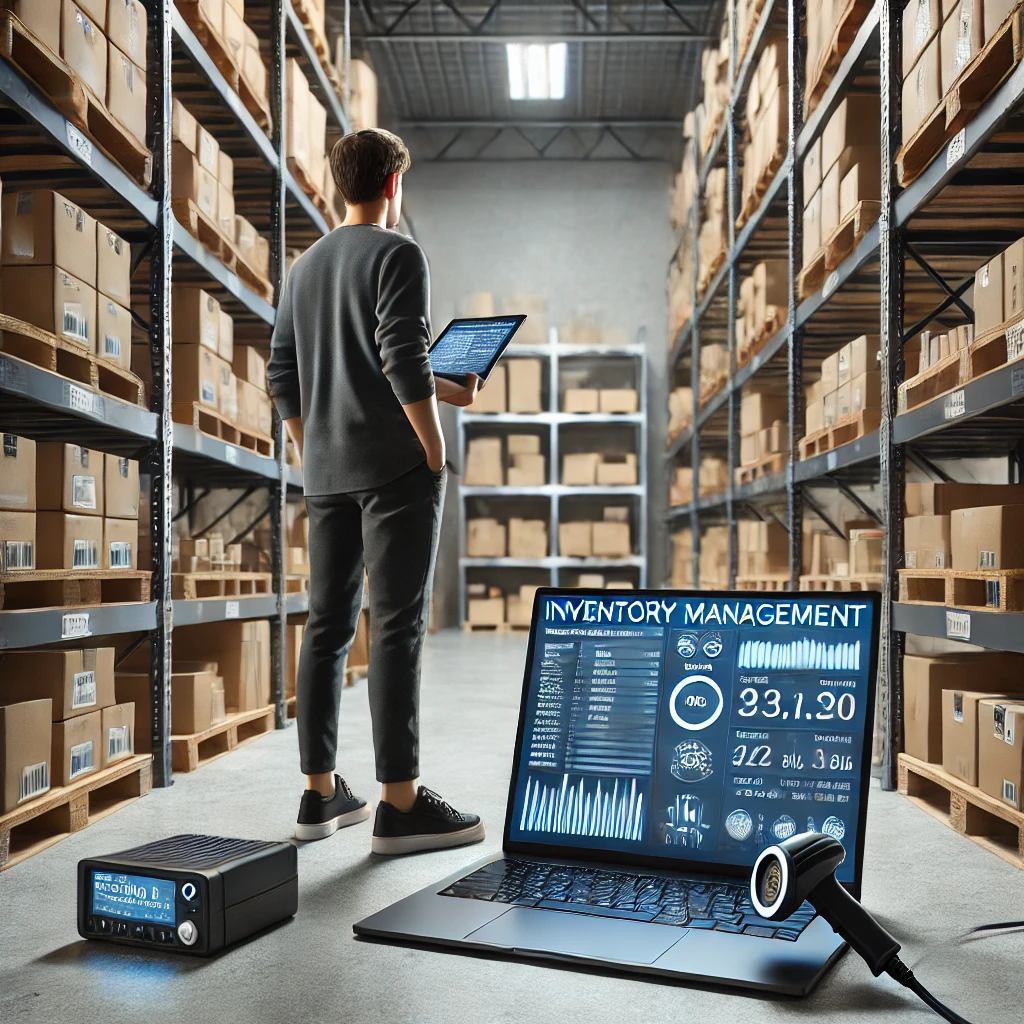
As the business landscape continues to evolve, so too do the technologies and strategies employed in inventory management. Staying ahead of these advancements can be the key to maintaining a competitive edge.
Emerging technologies are revolutionizing the way businesses manage their inventory, offering new levels of efficiency and accuracy. From automation to data analytics, the future of inventory management is brimming with potential innovations that can streamline operations and drive growth.
Integration of Artificial Intelligence and Machine Learning
Artificial intelligence (AI) and machine learning (ML) are increasingly being integrated into inventory systems to enhance decision-making processes. These technologies can predict demand trends, optimize stock levels, and reduce waste by analyzing vast amounts of data. Imagine an inventory system that learns from historical sales data to accurately forecast future demand—this is becoming a reality. Businesses that leverage AI and ML can not only cut costs but also respond more agilely to market changes.
Rise of IoT in Inventory Management
The Internet of Things (IoT) is set to revolutionize inventory systems by connecting smart devices and sensors throughout the supply chain. This connectivity enables real-time tracking of inventory, providing businesses with unprecedented visibility into their stock levels and locations. With IoT, companies can improve inventory accuracy and reduce the risk of stockouts or overstocking. The ability to track inventory in real-time also enhances security and compliance, ensuring that businesses maintain optimal inventory levels at all times.
Blockchain for Enhanced Transparency
Blockchain technology offers a new level of transparency and security in inventory management. By creating an immutable ledger of all transactions, blockchain can greatly reduce fraud and errors in inventory records. Imagine a system where every inventory movement is recorded and verified in real-time, providing a
single source of truth
for all stakeholders. This can build trust across the supply chain, enhance traceability, and improve efficiency.
Adapting to Evolving Practices
To adapt to these evolving inventory management practices, businesses must be willing to invest in new technologies and upskill their workforce. Embracing these changes can lead to significant competitive advantages. Companies should consider conducting regular reviews of their inventory systems, staying informed about the latest trends, and being open to adopting innovative solutions to improve their operations.
Last Word
In the ever-evolving landscape of business, embracing an inventory system is not just a choice—it’s a necessary evolution. These systems offer immediate and long-term benefits, from improved customer satisfaction to increased sales. As we look towards the future, staying ahead with cutting-edge inventory management practices will ensure your business not only survives but thrives. So, isn’t it time you considered an inventory system that could truly save your sanity and propel your business into a future of success?