Inventory Software For Business Makes Life Easier
Imagine a world where your business operations run as smoothly as a well-oiled machine, where every product is accounted for at the click of a button, and where you can predict stock needs before they even arise. Welcome to the transformative realm of inventory software—a solution that doesn’t just streamline your business processes but catapults your efficiency to new heights.
Gone are the days of tedious manual tracking and endless spreadsheets. With inventory software, businesses of all sizes can harness the power of technology to manage stock effortlessly, reduce errors, and ultimately, boost profitability. Let’s embark on a journey through inventory software’s potential, exploring how it can become the backbone of your business success.
Understanding Inventory Software for Business
In today’s fast-paced business world, managing inventory can be a daunting task. However, inventory software simplifies this process, making operations smoother and more efficient.
At its core, inventory software is designed to streamline the tracking, management, and organization of products and materials. It minimizes errors, reduces costs, and enhances productivity, becoming an indispensable tool for modern businesses.
Essential Features of Inventory Software
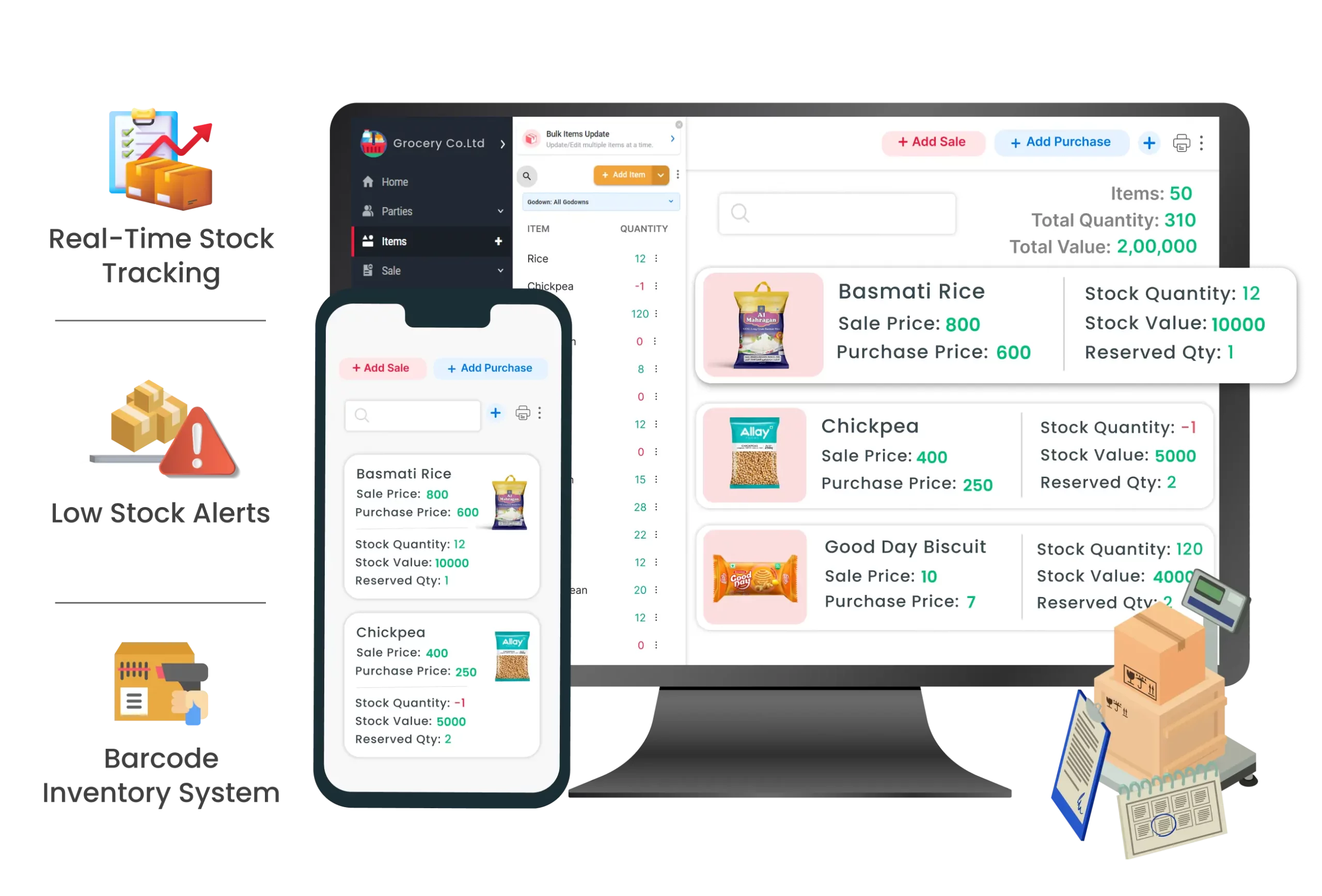
Inventory software comes equipped with a variety of features that cater to the diverse needs of businesses. Some of the fundamental features include real-time tracking, automated order management, and comprehensive reporting tools. Real-time tracking allows businesses to monitor stock levels instantly, preventing both overstocking and stockouts. Automated order management ensures that replenishment orders are placed as soon as stock reaches a predetermined threshold, optimizing inventory levels without manual intervention. Furthermore, comprehensive reporting tools provide insights into sales trends, helping businesses make informed decisions.
Integration with Business Operations
Seamless integration with existing business operations is what sets inventory software apart. This technology effortlessly aligns with sales, accounting, and supply chain systems, creating a cohesive business environment. By doing so, it ensures data accuracy across departments and facilitates smooth workflows.
Effective inventory management is the backbone of successful business operations.
This seamless integration not only saves time and resources but also enhances overall productivity and efficiency.
Industries Benefiting from Inventory Software
While nearly every business can benefit from inventory software, certain industries find it particularly advantageous. Retailers, wholesalers, and manufacturers stand out as primary beneficiaries. Retailers can maintain optimal stock levels to meet customer demand, wholesalers can manage large volumes of inventory efficiently, and manufacturers can streamline production processes by ensuring they have the necessary materials on hand. These industries leverage inventory software to stay competitive in the market.
The Evolution of Inventory Management Systems
Inventory management systems have come a long way from the days of manual record-keeping. The evolution has been marked by significant advancements in technology, from basic spreadsheets to sophisticated, cloud-based solutions. Initially, businesses relied on pen and paper or rudimentary computer systems to track inventory. With the advent of digital technology and the internet, cloud-based inventory management systems have emerged, offering unparalleled scalability, accessibility, and real-time data synchronization. This evolution has not only increased efficiency but has also paved the way for future innovations in inventory management.
Benefits of Using Inventory Software
In the fast-paced world of business, efficiency is the name of the game. Inventory software is more than just a tool; it’s an essential asset that transforms the way businesses manage their inventory, leading to significant improvements in operations.
By automating the tracking and management of inventory, this software enables businesses to streamline processes, reduce errors, and make more informed decisions. Let’s delve into the specific benefits that inventory software brings to the table.
Enhancing Operational Efficiency
Inventory software is a game-changer in enhancing business efficiency. Manual inventory management can be time-consuming and prone to errors, leading to discrepancies and financial losses. In contrast, inventory software automates these tasks, ensuring accuracy and saving precious time. With features like barcode scanning and automated inventory updates, businesses can significantly reduce the time spent on inventory management.
Advantages for Businesses of All Sizes
Whether you’re running a small boutique or managing a large multinational corporation, inventory software provides distinct advantages tailored to your business size:
- Small Businesses: Allows for better stock control, reduces overstocking and understocking, and gives small businesses a competitive edge.
- Large Businesses: Offers scalability, supports complex supply chains, and integrates with other enterprise systems for holistic management.
Real-Time Inventory Tracking
Imagine knowing exactly how much stock you have at any given moment! Real-time inventory tracking provides this capability, offering businesses a clear view of their inventory status, which is crucial for decision-making. For instance, a retail store can immediately see which products are selling fast and need reordering, avoiding stockouts that could lead to missed sales opportunities.
Comparison: Manual vs. Automated Inventory Management
Let’s take a closer look at how manual inventory management stacks up against automated solutions:
| Aspect | Manual Management | Automated Solutions |
|---|---|---|
| Time Consumption | High | Low |
| Accuracy | Prone to Errors | Highly Accurate |
| Cost | Potentially Costly Due to Errors | Cost-Effective Long Term |
| Scalability | Limited | Highly Scalable |
“Embracing technology like inventory software is not just about keeping up with the competition; it’s about setting the pace.”
Key Features to Look for in Inventory Software
In the bustling world of business, inventory software acts as a silent partner, streamlining operations and reducing headaches. But not all inventory systems are created equal.
To truly harness the power of inventory management software, it’s crucial to focus on the features that will make your life easier and your business more efficient. Here, we delve into the must-have features that distinguish effective inventory solutions from the rest.
Essential Features for Effective Inventory Management
At the heart of any robust inventory software are features that simplify tracking and organization. Look for software that offers real-time inventory tracking, enabling you to always know what you have on hand. Automatic stock level alerts are a lifesaver, preventing stockouts and overstocking by notifying you when items need reordering. Additionally, the ability to integrate with other systems, such as accounting and e-commerce platforms, ensures a seamless flow of data across your business processes.
The Importance of Scalability
Business growth is the ultimate goal, and your inventory software should grow with you. Scalability is critical; you need a solution that can handle increased data and transactions as your business expands. Whether you’re opening new locations or diversifying your product lines, your inventory system should adapt without missing a beat.
“Scalable inventory software is not just a tool; it’s an investment in your business’s future growth.”
Advanced Features in Modern Inventory Software
Today’s inventory software options are packed with advanced features that go beyond basic tracking. For instance, predictive analytics can forecast demand trends, allowing you to plan your inventory purchases more strategically. Meanwhile, mobile access ensures you can manage your inventory on the go, and multi-location management lets you oversee stock across various sites effortlessly.
Comparative Analysis of Leading Inventory Software Options
When choosing inventory software, comparing available features can help in making an informed decision. Here’s a comparison of some leading options:
| Feature | Software A | Software B | Software C |
|---|---|---|---|
| Real-time Tracking | Yes | Yes | No |
| Automatic Alerts | Yes | No | Yes |
| Scalability | High | Moderate | High |
| Predictive Analytics | No | Yes | Yes |
| Multi-location Management | Yes | Yes | No |
Implementation and Integration of Inventory Software
Implementing inventory software is more than just downloading a program; it’s about transforming your business processes for efficiency and precision. Seamlessly integrating this software into your existing systems is essential for unlocking its full potential.
To ensure a successful implementation, it is crucial to follow a structured approach, carefully considering each aspect of your current business operations. Let’s delve into the critical steps that will guide you through this transformative journey.
Steps for Successful Implementation
Embarking on the implementation of inventory software involves several key steps that ensure a smooth transition:
- Assess Your Needs: Evaluate your current inventory management processes and pinpoint areas that require improvement.
- Select the Right Software: Choose a solution that aligns with your business size, industry, and specific requirements.
- Data Migration: Carefully plan the transfer of existing data to maintain accuracy and continuity.
- Staff Training: Equip your team with the necessary skills to maximize the software’s capabilities.
- Test Run: Conduct a pilot test to identify any issues before full-scale deployment.
Integration with Existing Systems
The integration process is pivotal for creating a cohesive operational ecosystem. It ensures that your inventory software communicates effectively with other business systems:
Start by mapping out your current systems, identifying potential integration points, and establishing a workflow that facilitates real-time data exchange. Use APIs to bridge the gap between different platforms, ensuring seamless communication across all channels. Regular updates and maintenance checks are essential to maintain system compatibility.
Addressing Challenges and Solutions
Every implementation journey faces obstacles, but being prepared can turn challenges into opportunities:
“Anticipate challenges and prepare strategies to overcome them for a seamless implementation experience.”
Challenges such as data integrity issues, user resistance, and system downtime can arise. To mitigate these, ensure thorough data validation, foster a culture of change acceptance among employees, and plan for contingencies to handle potential downtime.
Designing a Transition Timeline
A well-structured timeline is crucial for a smooth transition to inventory software:
| Phase | Description | Duration |
|---|---|---|
| Preparation | Set objectives, assess needs, and select software. | 2-4 weeks |
| Data Migration | Transfer and verify data accuracy. | 1-3 weeks |
| Training | Conduct training sessions for staff. | 1-2 weeks |
| Pilot Testing | Run a test to identify and fix issues. | 1 week |
| Full Deployment | Go live with the new system. | Ongoing |
Case Studies and Success Stories
Discover how businesses have revolutionized their operations through the strategic adoption of inventory software. These stories of transformation highlight the tangible benefits and insights gained from leveraging technology in inventory management.
From improved efficiency to significant cost savings, these real-world examples showcase the power of inventory software in modern business environments. Join us as we delve into specific cases that illustrate how such systems can redefine success for companies across various industries.
Transformative Impact on Retail: The Case of FashionHub
FashionHub, a mid-sized clothing retailer, faced significant challenges with overstocking and understocking, impacting sales and customer satisfaction. By implementing an inventory software solution, FashionHub decreased their inventory costs by 20% while simultaneously increasing their sales by 15% over the first year. This was achieved through real-time stock level monitoring and automated reordering processes that ensured optimal inventory levels.
“The inventory software has transformed our operations. We now have the confidence to expand our product range, knowing we have the tools to manage our stock effectively.” – Jane Doe, CEO of FashionHub
Efficiency Boost in Manufacturing: TechParts Inc.’s Journey
TechParts Inc., a leading manufacturer of electronic components, struggled with manual inventory tracking, leading to frequent production delays. After adopting a comprehensive inventory management system, they reported a 30% reduction in lead times and a 25% increase in production efficiency. The software’s integration with their existing ERP system provided a seamless flow of information, enhancing decision-making and operational agility.
“We’ve seen a remarkable improvement in our supply chain efficiency, allowing us to meet customer demands swiftly and accurately.” – John Smith, Operations Manager at TechParts Inc.
Learning from Challenges: The Experience of HomeGoods Co.
While many businesses succeed with inventory software, the journey isn’t always smooth. HomeGoods Co., a home appliances retailer, initially faced integration issues that led to data inconsistencies. However, through persistent troubleshooting and a dedicated implementation team, they overcame these hurdles to realize a 15% improvement in inventory accuracy and a 10% rise in customer satisfaction within six months. This case underscores the importance of strategic planning and resource allocation when adopting new technologies.
“The early challenges taught us valuable lessons about the need for alignment between our business processes and the technology we utilize.” – Emily Clark, CTO of HomeGoods Co.
Future Trends in Inventory Management Software
In an era where technology propels business efficiency, inventory management software is undergoing a revolution, reshaping how companies manage their stock. With a surge in digital transformation, emerging technologies are not only automating but also optimizing the intricate processes of inventory management.
As we stand on the cusp of this technological evolution, understanding the future landscape of inventory software is crucial for businesses aiming to stay competitive and agile. Let’s delve into the exciting advancements that promise to redefine inventory management.
Technological Innovations Shaping Inventory Software
The future of inventory management is being sculpted by groundbreaking technological advancements, integrating seamlessly into business operations and offering unprecedented efficiency. Emerging technologies are not just tools but catalysts for transformation in inventory control.
- Internet of Things (IoT) for real-time tracking and monitoring
- Blockchain technology for enhanced transparency and security
- Advanced analytics for predictive inventory management
The Role of Artificial Intelligence and Machine Learning
Artificial intelligence and machine learning are no longer futuristic concepts but are integral to modern inventory systems. These technologies are facilitating smarter decision-making through data-driven insights and automation, reducing human error and forecasting demand with remarkable accuracy.
Businesses leveraging AI can expect sophisticated demand forecasting, automated reordering processes, and enhanced supply chain optimization that respond dynamically to market changes.
Predicted Advancements and Their Impact on Businesses
The upcoming decade promises a wave of innovations that will redefine the norms of inventory management. These advancements will bring about enhanced flexibility, precision, and responsiveness, allowing businesses to adapt swiftly in a rapidly changing environment.
“The future belongs to those who prepare for it today.” — Malcolm X
- Integration of virtual and augmented reality for visual inventory management
- Cloud-based solutions enabling scalable and accessible inventory management
- Robotics and automation for streamlined warehouse operations
- Voice-activated interfaces to manage inventory hands-free
Final Summary
In a world that constantly pushes the boundaries of innovation, inventory software stands as a beacon of progress for businesses willing to embrace change. By adopting these powerful tools, you’re not just keeping pace with the competition; you’re setting the standard for excellence. So, are you ready to transform your inventory management and unlock the full potential of your business? The future awaits.